
EMPOWERING COMMUNITIES FOR BETTER NUTRITION
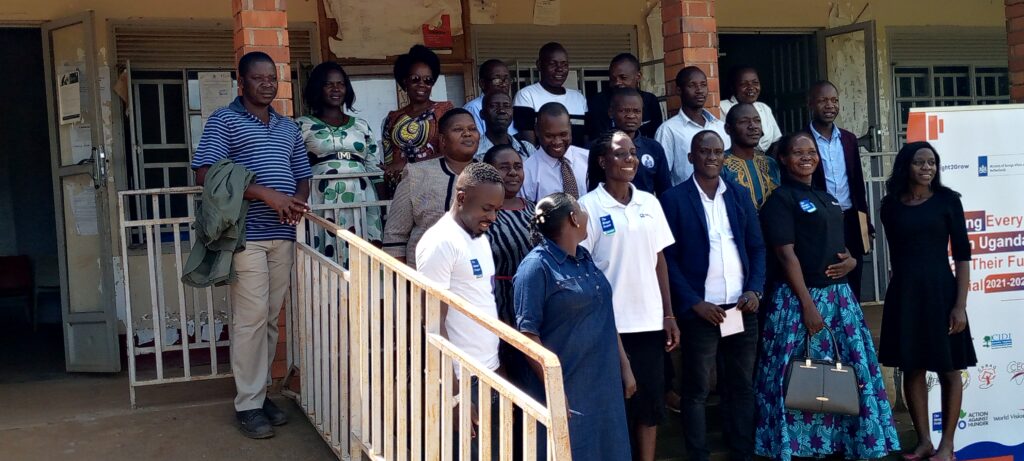
The Hunger Project Uganda organized a one-day conference at Bugweri district headquarters, bringing together stakeholders from district to village levels to discuss implementing growth nutrition initiatives ahead of the new school term. The event aimed to promote collaboration and effective strategies for improving nutrition among school-aged children.
Mukisa Rogers Muyambi, Director of Good Heart Uganda, represented the charity organization at the conference. This event highlights the growing recognition of nutrition’s role in supporting education and overall child development.
Key Takeaways from the Conference
– Importance of Nutrition: Proper nutrition is crucial for children’s health, education, and development. Malnutrition can lead to poor academic performance, increased absenteeism, and long-term health issues.
– Community-Led Initiatives: Successful nutrition programs often involve community-led initiatives, including school meal programs and nutrition education workshops. These approaches not only improve nutritional intake but also foster community engagement and support.
– School Meal Programs: Implementing school meal programs can significantly enhance nutritional status, increase school attendance, and promote local agriculture. By providing daily meals, schools can help ensure students meet their nutritional needs.
Future Directions
The conference emphasized the need for continued collaboration and innovation in addressing nutritional challenges. Some potential strategies include;
– Nutrition Education: Providing education on healthy eating habits and nutrition to students, parents, and staff.
– Local Food Sourcing: Sourcing food ingredients from local producers to promote local economies and sustainable farming practices.
– Community Engagement: Engaging communities in nutrition initiatives through workshops, health clubs, and school health programs. By working together, stakeholders can develop effective solutions to improve nutrition and support the well-being of school-aged children in Uganda.